Nobody tells you how exhausting it gets. Eating on one side of your mouth. Dodging hard foods. Laughing with your lips pressed shut so nobody notices the gap.
Missing teeth sneak into everything. Your meals. Your conversations. That split-second pause before you smile in a photo. It wears on you, quietly, day after day.
But here’s the thing. You don’t have to just live with it. Partial dentures have been solving this exact problem for a long time. They work. They’re affordable. And getting them? Way easier than most people expect.
If you’re somewhere in Cypress and you’re down one or more teeth, stick around. We’re going to cover everything — what partials actually are, how the types stack up, what they cost, how to keep them clean, and how to get the ball rolling. No fluff. Just the stuff you actually need to know.
What Are Partial Dentures?
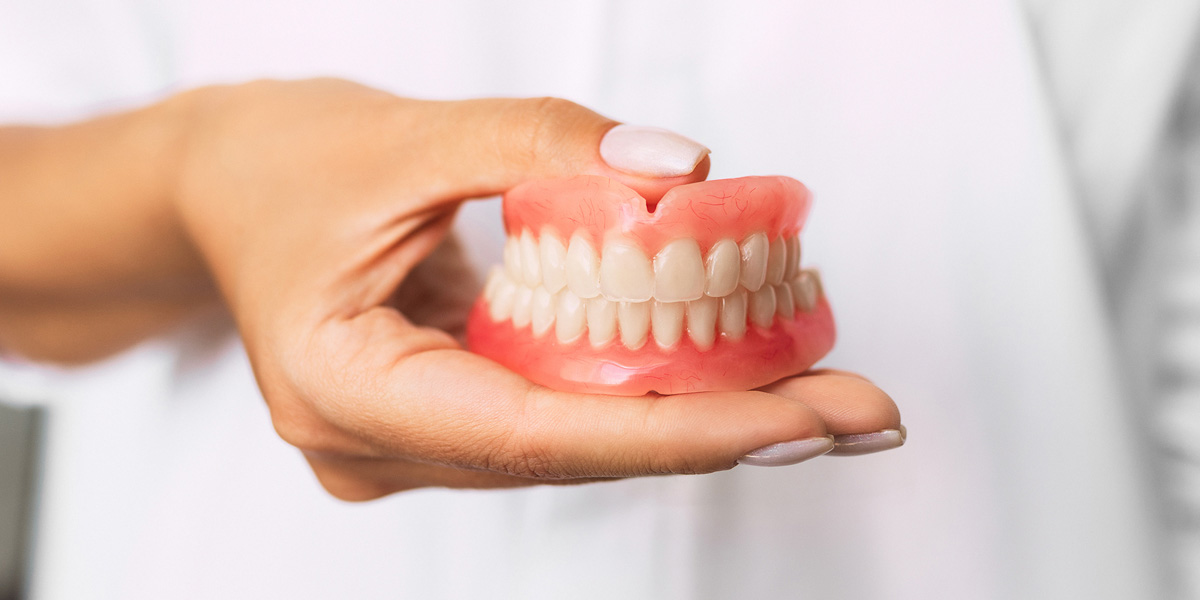
Okay, let’s get straight to it. A partial denture is basically a small set of replacement teeth. Removable ones. They clip right onto the teeth you still have and fill in the empty spots.
Simple concept, right? The clasps hold things steady. You eat. You talk. You smile. Then at night, you take them out. Pop them in a soaking solution. Done.
The key word there is partial. These aren’t full dentures — those replace every tooth in the row. Partials are designed for when you’ve still got some healthy teeth hanging around. The good ones stay. The gaps get filled. Everybody wins.
Your dentist makes them custom. They fit your mouth specifically, not some generic shape off a shelf. That’s what makes them feel natural instead of awkward.
Types of Partial Dentures
This is where it gets interesting. Partials aren’t a one-size situation. You’ve got choices — real ones — and each option brings something different to the table.
The right pick comes down to your mouth, your lifestyle, and yes, your budget. A good dentist walks you through it. But it helps to know what’s out there before you even sit in the chair.
Here are the three main types.
Cast Metal Partial Dentures
These ones have a metal backbone. Literally. A sturdy frame runs through the base, and gum-colored plastic fills in around the artificial teeth.
They’re built to last. That’s their whole thing. Firm fit. No wobbling. No shifting around while you’re chewing lunch.
The price is higher, no question. But a lot of people see that as a trade they’re happy to make. Pay more once. Get something that holds up for years. That math makes sense for plenty of folks.
Acrylic Partial Dentures
All plastic base, metal clasps on the sides. That’s the basic setup here.
These are the most budget-friendly of the bunch. If cost is the first thing on your mind, acrylic partials are probably where you’re starting. They get the job done, and they don’t ask much from your wallet.
Fair warning, though — they run a little bulkier than the metal version. Some people never notice. Others feel it right away. Most adjust within a week or two. Worth knowing before you commit.
Flexible Partial Dentures
These feel different the moment you put them in. Soft. Lightweight. They bend slightly, which sounds weird but actually makes them really comfortable.
No metal clasps either. They use the natural flexibility of the material to grip instead. And they match your gum tone so well that they essentially disappear in your mouth.
People who want the most natural look go flexible. If the idea of anyone noticing your dentures bothers you, these are worth a serious look.
Benefits of Partial Dentures
Let’s get into the why. Because there are real, everyday reasons people choose partials — and not just for looks.
These benefits hit different parts of your life. Your confidence. Your dinner plate. Your long-term dental health. Stack them all up and it’s a pretty compelling case.
A Fuller, Brighter Smile
The obvious one, but still worth saying. Partials fill the gaps. Your smile looks complete again. You stop hiding it.
What’s less obvious? How much that actually changes your day. Smiling freely is one of those small things that quietly affects everything — how you carry yourself, how you connect with people. A complete smile just feels good.
Easier Eating and Talking
Missing teeth make a mess of both. Chewing shifts to one side. Certain words come out blurry. It’s frustrating in a way that builds up over time.
Partials fix that. Chewing becomes balanced again. Foods you’d been avoiding — crunchy, chewy, the good stuff — start coming back into rotation. And speech? Cleaner. Crisper. The way it used to be.
Protecting Your Other Teeth
Here’s one people don’t always hear about. When there’s a gap, the teeth nearby start to drift toward it. Slowly. Over months and years.
That shift messes with your bite. It can cause jaw pain. It makes future dental work more complicated. Partials block all that. They hold your remaining teeth right where they belong.
A Wallet-Friendly Choice
Bridges and implants do their job well. But they come with a price that stops a lot of people cold. Partials don’t carry that same weight.
Affordable Partial Dentures give you a real solution — a complete-looking smile, solid function, genuine comfort — without demanding a fortune. For anyone watching their spending, that matters a lot.
How Much Do Partial Dentures Cost?
Let’s be upfront. There’s no single number here. The cost shifts depending on the type you choose, the materials involved, and what your mouth specifically needs.
Metal and flexible partials land on the higher end. Acrylic ones come in lower. That gap in price reflects the materials and how long each type tends to last.
Beyond the base price, there are a few extras to plan for. Impressions. Fittings. Follow-up adjustments to dial in the comfort. Ask your dentist to break down the full picture upfront — not just the starting cost, but everything.
Insurance can help. A lot of plans cover at least some portion of denture work. Check yours before you assume it doesn’t apply. Even partial coverage makes a dent.
And the Cost of Dentures in Cypress is genuinely manageable at many clinics. Payment plans are common. Spreading the cost over a few months takes the edge off. It doesn’t have to be one big payment or nothing.
Bottom line — ask for a full quote before anything starts. A transparent dentist gives you one without hesitation.
How to Care for Partial Dentures
You put in the effort to get them. Now keep them going. The good news is that caring for partials isn’t complicated. It just has to be consistent.
Build a short routine and stick to it. That’s really all this takes.
Daily Cleaning Tips
Every day. No skipping. Rinse your partials after eating to knock loose any food. Then brush them gently once a day.
Use a soft-bristled brush — not your regular toothbrush — and a proper denture cleaner. Regular toothpaste is too abrasive. It scratches the surface over time and dulls the finish. Denture cleaner is gentle and designed for exactly this.
Safe Storage Habits
Don’t set them on the nightstand and call it a night. Partials dry out when they’re left exposed to air. They can warp. They lose their shape.
Instead, drop them in a glass of water or soaking solution before bed. This keeps them hydrated and helps maintain the fit. A two-second habit that protects a real investment.
Keeping Your Mouth Healthy
Your partials need care. But so does your actual mouth. Brush your gums, your tongue, and your remaining teeth every day. That’s non-negotiable.
Regular checkups matter too. Your dentist keeps an eye on how your partials are fitting, catches irritation early, and makes small adjustments before small problems become annoying ones.
How to Get Partial Dentures in Cypress
Ready to actually do this? Great. Here’s how it goes.
Getting Partial Dentures in Cypress follows a pretty clear path:
- Start with an initial visit — your dentist checks your mouth, takes measurements, and gets the full picture
- Talk through your options and pick the type that fits your situation
- Impressions are taken so your partials are made custom for your mouth
- You come back for the fitting, try them on, and make sure everything feels right
A follow-up or two usually comes after that. Small tweaks here and there. Getting the bite just right. It’s all part of the process.
The whole experience with Partial Dentures Cypress TX residents go through is straightforward. A good dentist in Cypress keeps you informed at every turn and makes sure you leave each appointment knowing exactly what comes next.
Got questions? Ask them. All of them. That’s what the visits are for.
Final Thoughts
Here’s the short version. Partial dentures fill gaps. They come in a few different types. They cost less than most people fear. And they make a genuine difference in day-to-day life.
A full set of teeth — even partly replaced ones — changes how you eat, how you talk, and how you feel when you walk into a room. That’s not nothing. That’s actually a lot.
Take care of your partials and they’ll take care of you for years. Clean them daily. Store them right. Show up for your checkups. It’s a small investment of time that keeps everything running smoothly.
If you’ve been sitting on this decision, now’s a good time to stop waiting. Book a visit with a local dentist in Cypress. Get the conversation going. Your next smile is closer than you think.
Frequently Asked Questions
How long do partial dentures usually last?
With regular cleaning and proper storage, most partials hold up well for several years. Checkups help too — your dentist can spot early signs of wear and make small corrections before they become bigger, more costly problems down the line.
Are partial dentures hard to get used to?
Honestly, the first few days feel strange. That’s just the adjustment period. By the end of the first couple of weeks, most people have stopped noticing them altogether. Eating and speaking feel natural again sooner than most expect.
Can I sleep with my partial dentures in?
Taking them out at night is the smarter move. Your gums need a break from the pressure, and leaving partials in too long can cause irritation. Soaking them overnight also keeps them clean and helps preserve their shape over time.